Wondering whether you should use cash or card in Istanbul? The answer is simple: both work — but not equally. Here’s how payments really work in the city.
Istanbul is much more card-friendly — and digital — than most people expect. The city is far more modern than typical travel guides suggest.
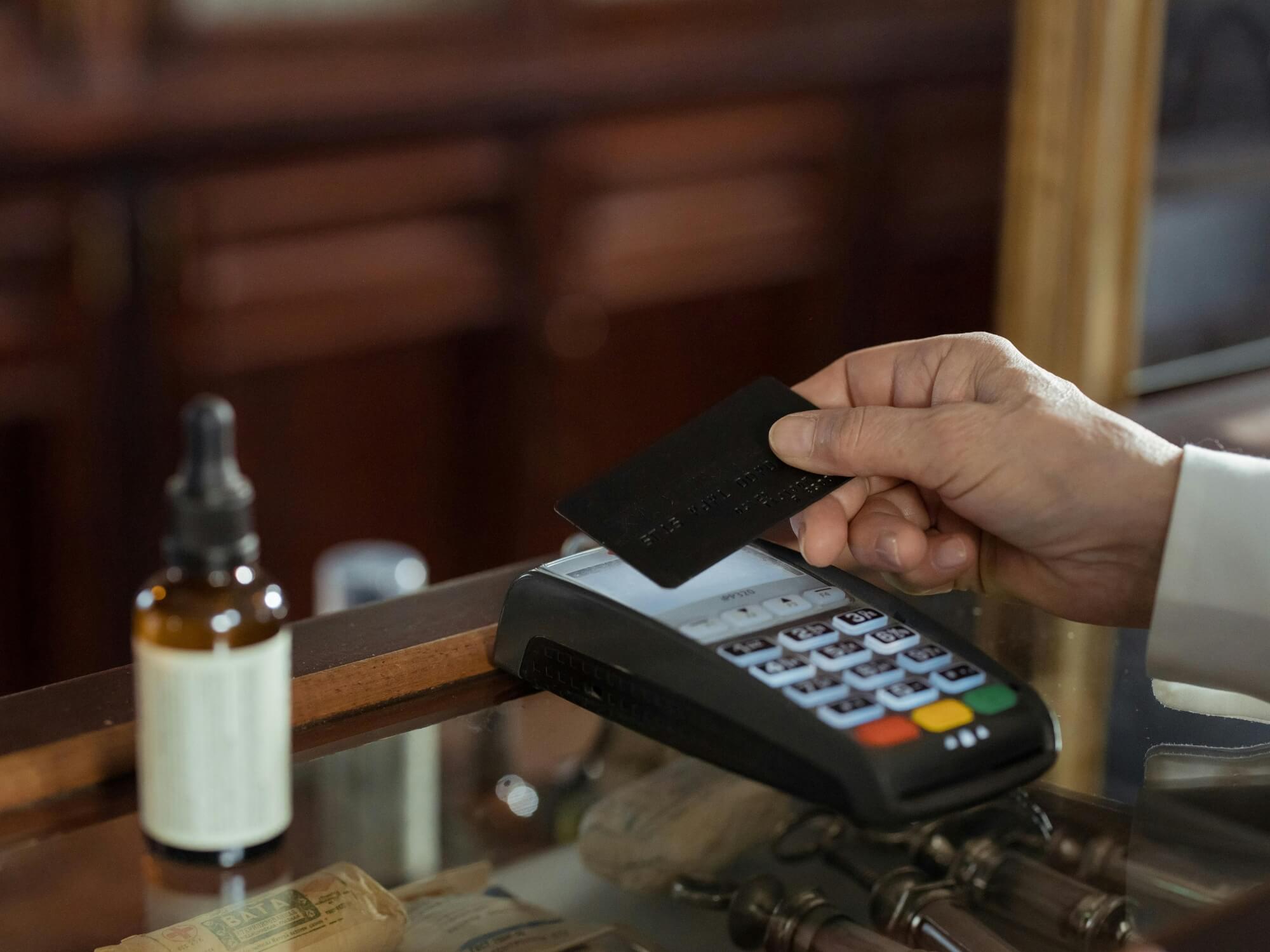
Visa and Mastercard are widely accepted, and contactless payment is standard. You can use your card in almost all everyday situations:
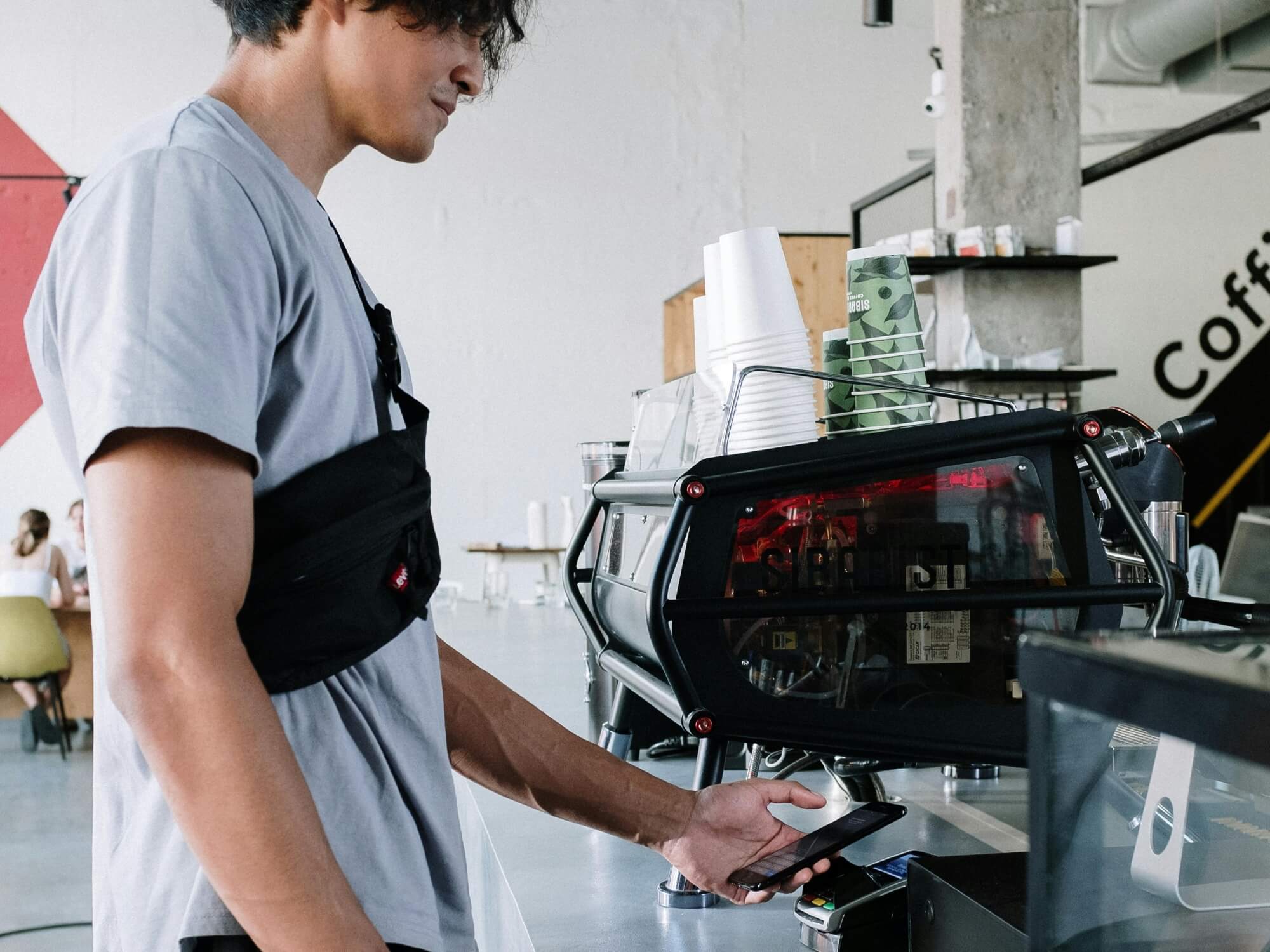
In most places, paying with your phone works just as smoothly as using a card. You can also pay almost everywhere with your phone:
But even here, card payments are becoming more common:
If you do need cash, withdrawing money in Istanbul is straightforward. ATMs are everywhere, from busy streets to shopping centers and metro stations.
It’s generally a good idea to use machines from larger or well-known banks such as Ziraat Bankası, İş Bankası, Garanti BBVA, or Akbank. These tend to be more reliable and are commonly used by locals. State banks like Ziraat are often seen as a safe option, as they usually offer more transparent conditions.
When withdrawing money, you’ll likely be asked whether you want the amount converted into your home currency. Even though it might seem convenient, it usually comes with a worse exchange rate. Choosing to be charged in Turkish Lira is almost always the better option.
It’s also worth being a bit cautious with standalone ATMs or machines located directly in tourist hotspots, as they can sometimes come with higher fees or less favorable rates.
In most cases, you won’t need to exchange much money before arriving.
If you do want to exchange cash, it’s better to do it in the city rather than at the airport. Exchange offices in central areas usually offer much better rates, while airport counters tend to be significantly more expensive.
Another easy option is simply withdrawing cash from an ATM, which is often the most convenient solution.
Interestingly, in Turkey, some jewelry shops also offer currency exchange — and often at very competitive rates. In certain cases, the rates can even be better than those at exchange offices.
This is a more local and less obvious option, but one that many people in Istanbul are familiar with.
If you prefer not to carry your main credit card, prepaid cards can be an alternative.
These cards work like a debit card with a fixed balance that you can top up. They can be useful for budgeting or for situations where you don’t want to use your primary card.
However, it’s worth knowing that some prepaid options require registration or ID verification, which means they’re not always the most straightforward choice for tourists. For most visitors, a regular card will be simpler and more practical.
Before arriving in Istanbul, it’s worth taking a moment to make sure your payment setup is ready.
Having a Visa or Mastercard with contactless payment enabled is usually all you need. If your bank supports it, setting up mobile payments like Apple Pay or Google Pay can make things even easier.
It’s also a good idea to carry a small amount of Turkish Lira for backup, although you’ll likely use it less than expected.
Once that’s sorted, you’re fully prepared — there’s no need to overcomplicate things.